When I first landed in Sumbawa, my eyes were set on the sea. I had read about the majestic whale sharks, how they glide silently through the blue waters of Saleh Bay, and how it’s one of the most accessible places in Indonesia to encounter them in the wild. Naturally, I signed up for the Saleh Bay whale shark tour right away.
I didn’t expect, however, that my most lingering memory from the trip wouldn’t just be underwater—but on a street corner in Bima, wrapped in banana leaves, and grilled to smoky perfection.
The grilled fish. My God, the grilled fish.
I had just returned from my first snorkeling trip near Saleh Bay. My heart was still pounding with adrenaline from swimming just meters away from a 7-meter-long sumbawa whale shark. The kind of encounter that strips the ego, makes you feel tiny, lucky, and impossibly alive. But as the boat rocked gently on the way back, another instinct kicked in: hunger.
Back in Bima, the streets were buzzing with afternoon energy. Mopeds whizzed past, children played barefoot near the market, and smoke curled above the rooftops from roadside grills. That’s when I followed the scent—thick, rich, spiced smoke drifting down a side alley.
I found a small roadside stall. No name, no signs. Just a weathered man turning whole fish over open coals using metal tongs and experience. The setup was simple: fish, salt, turmeric, garlic, oil. No marinade. No menu. Just intuition, timing, and fire.
He glanced at me, nodded, and pointed to a wooden bench.
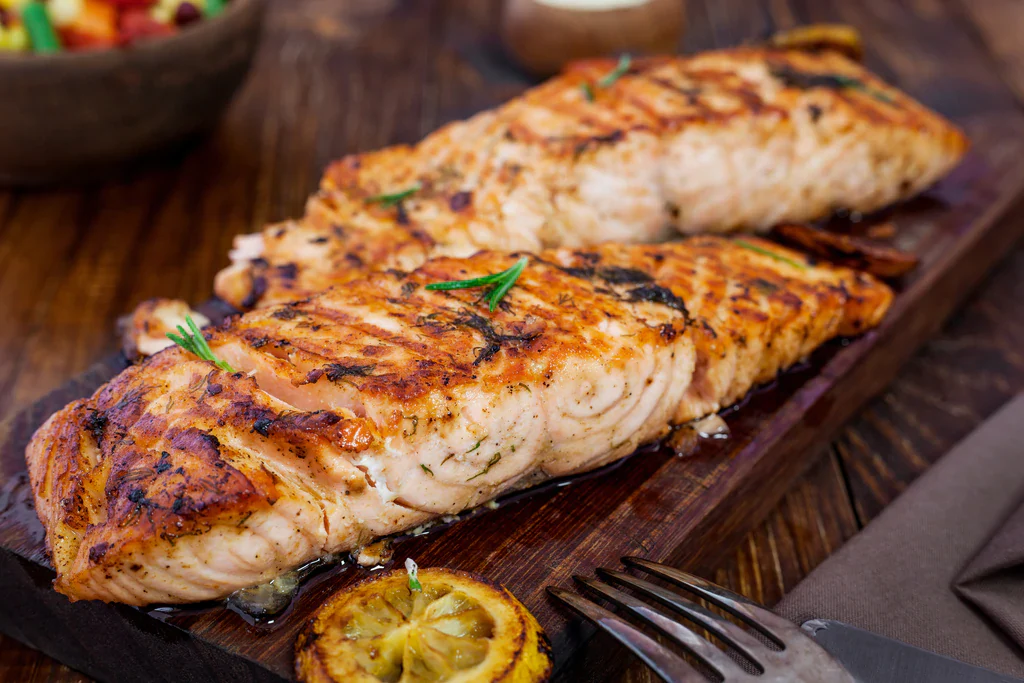
Five minutes later, he handed me a plate lined with banana leaf. On it: a medium-sized grilled barracuda, its skin charred just right, steam rising as he spooned over a sambal made of crushed tomatoes, green chili, and kaffir lime.
The first bite caught me off guard. The flesh was flaky, smoky, and had absorbed just enough of the sambal’s heat to wake every nerve in my mouth. The turmeric wasn’t overpowering—it was a whisper in the background, grounding the flavors. And the sambal? It punched, then soothed.
It was the perfect post-ocean meal. Nourishing, bold, rooted in the island’s rhythm.
That was my introduction to Bima-style grilled fish. And I was hooked.
Over the next few days, I made it my mission to taste more variations. After every swim, hike, or village visit, I sought out the fire, the smoke, the fish. I learned that every grill master had their own style—some used mackerel, others tuna, others snapper. Some used coconut husk charcoal for that extra depth of flavor. A few added shallots or ginger to their sambal; others kept it clean and citrusy.
One afternoon, after a second visit with the whale sharks—yes, I went again, because how could I not?—our local guide took us to a family-run eatery near the harbor. We sat on wooden stools under a tarp, and the owner brought out grilled tuna belly brushed with palm oil and salt. It was served with steamed cassava, shredded young mango salad, and of course, their version of sambal dabu-dabu—raw chili relish with red onions and calamansi.
By then, I had learned the rhythm: grilled fish, a starchy base (rice, cassava, or banana), a fiery condiment, and usually something pickled or acidic to cut through the richness. It’s not complicated, but it’s deeply satisfying. And after hours in the water, it feels like fuel from the earth itself.
People kept asking me what was drawing me to Sumbawa. I told them honestly: the marine life, yes—but also the food. The flavors here are grounded in the sea, sharpened by fire, and softened by community.
What made the grilled fish in Bima so special wasn’t just technique. It was the freshness. You could taste the fact that the fish was caught that morning, or even just hours ago. You could sense that it hadn’t been frozen or shipped or overhandled. It had gone from ocean to fire to plate.
And because so many locals live off the ocean, there’s a natural respect in the way they prepare seafood. No heavy sauces to mask freshness. No elaborate presentation. Just the essentials done well.
In one village on the way to Kempo, I met a young couple grilling stingray over a clay stove. They served it with a sambal made of roasted garlic and green tomato, a recipe from the wife’s grandmother. They invited me to sit, handed me a cup of hot ginger tea, and we ate as the sun dipped into the sea. That night, I didn’t feel like a tourist. I felt like I belonged.
The sumbawa whale shark tour might be the main event, the magnet that pulls people to this corner of Indonesia. But the grilled fish? That’s the soulful encore. That’s the quiet story no one tells you until you taste it for yourself.
After a week in Bima, my favorite ritual became this: wake up early, head to the market, take a boat out for a swim or snorkel session, and return with the sun high above. By then, the grills would be going. The smoke would rise like signals. And I’d follow my nose to the nearest stall, sit cross-legged with locals, and dig in.
If you’re lucky, you’ll find the woman near the port who serves grilled squid stuffed with coconut rice. Or the father-son duo outside the mosque who only open their stall on Fridays, serving spicy grilled sardines with lime-basil sambal.
They don’t speak much English. You won’t find them on TripAdvisor. But you’ll find them with your senses.
Every bite tells a story. Of sea, fire, and patience. Of family and tradition. Of an island that doesn’t scream to be noticed, but quietly rewards those who pay attention.
There’s something honest about food that only needs salt, heat, and time. It strips away the unnecessary. It reminds you of where things come from.
And that’s what Bima-style grilled fish gave me. A grounding. A flavor that connects the ocean to the people, and the people to the land.
So if you ever find yourself in Sumbawa—whether for adventure, snorkeling, cultural exploration, or simply the thrill of swimming beside one of the sea’s most majestic creatures—make time for the food.
Not just any food. The kind cooked over embers, served in the open air, and eaten with your fingers.
The kind that reminds you the journey doesn’t end when you step off the boat. Sometimes, it’s only just beginning.