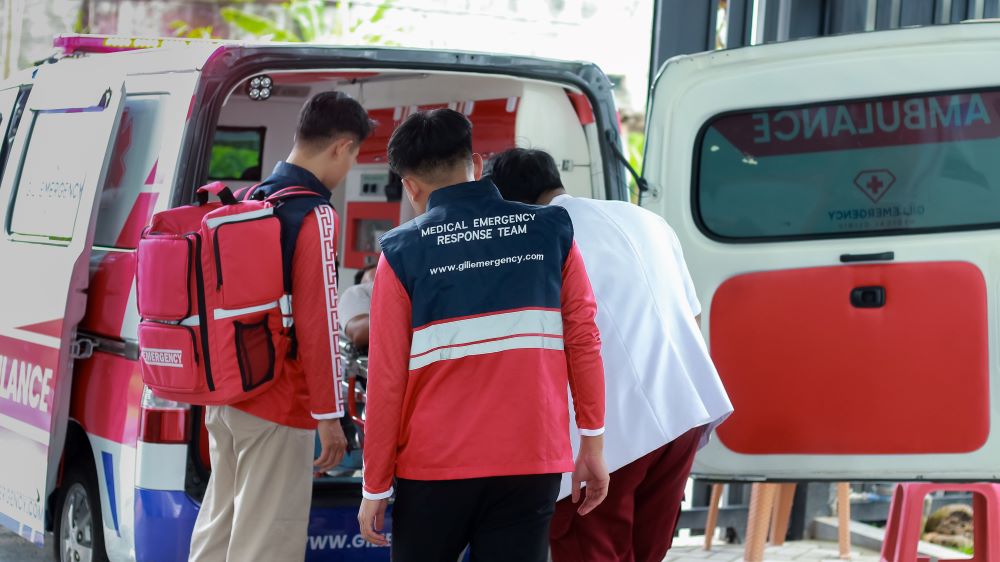
If you’ve ever imagined a carefree escape to the Gili Islands—white sand, turquoise water, sea turtles gliding like slow-motion dancers—well, same here. But let’s be real for a moment: even paradise has its unexpected plot twists. And when a traveler faces a Gili emergency, the beautiful remoteness of these islands suddenly becomes part of the challenge.
Let me walk you through what really happens, what you should prepare for, and how to stay calm if things go sideways. Because honestly… when the waves are gentle and the sun is warm, it’s easy to forget that our bodies sometimes have their own itinerary.
Quick note: I’ve seen this up close. Not as a doctor—but as someone who once helped a panicked backpacker with a jellyfish sting on Gili Trawangan at midnight. And trust me, nothing wakes you up faster than a medical emergency with zero cars, limited clinics, and a boat ride before you reach a fully equipped hospital.
Understanding a Gili Emergency
A Gili emergency is any urgent health situation that happens on the Gili Islands—Gili Trawangan, Gili Air, or Gili Meno—where immediate medical attention becomes necessary. Because these islands are car-free and relatively isolated, even simple issues can feel amplified.
Think about it:
Have you ever tried rushing someone to help… on a bicycle? Or a horse cart? Yeah, that’s Gili life.
Most emergencies fall into common categories:
-
Diving or snorkeling injuries
-
Dehydration and heat exhaustion
-
Motorbike accidents from nearby Lombok (before heading to the Gilis)
-
Food-related illnesses
-
Allergic reactions
-
Jellyfish or sea urchin injuries
-
Pre-existing conditions suddenly flaring up
When you’re surrounded by ocean and coconut trees, these problems feel strangely surreal, almost like your brain can’t compute that danger exists in such a postcard-perfect place.
Why Gili Emergencies Feel More Intense
Here’s the part most travel blogs don’t tell you.
There’s no hospital on the Gili Islands.
Let me say that again, slower: there is no full hospital on any of the three Gilis.
There are clinics, sure. Great ones, even. But they have limitations—especially for major injuries or conditions like fractures, dengue fever, severe infections, or anything requiring advanced diagnostics.
To access a hospital, you need:
-
A speedboat to Lombok
-
Or a fast boat plus land transfer to Bali
And during bad weather? Boats don’t always run. That’s when panic hits tourists the hardest.
I remember once hearing someone whisper, “What if we can’t get off the island?”
In NLP terms, that’s when the brain switches from pacing to spiraling. But here’s the good news: with the right steps, things usually turn out okay.
Common Medical Issues Travelers Face
Let’s break it down while keeping things human—maybe you’ve experienced some of these on past trips.
1. Dehydration & Heat Exhaustion
The Gilis are hot. Like “your-skin-feels-like-a-grilled-satay” hot. Add beach parties + snorkeling + forgetting to drink water, and boom, you’ve got the classic Gili emergency.
2. Diving-Related Problems
Some divers experience:
-
Ear barotrauma
-
Nitrogen narcosis
-
Cuts from coral
-
Panic underwater
The dive centers are trained for emergencies, but if something gets serious, evacuation becomes step one.
3. Food Poisoning
New climate + unfamiliar food + tropical bacteria = not always a friendly combo.
Imagine feeling violently sick… and your room is a bungalow where the bathroom fan sounds like an airplane engine. That sensory clash alone can make things feel worse.
4. Marine Stings & Injuries
Jellyfish, sea urchins, even harmless-looking coral can hit back. I once stepped on a sea urchin near Gili Air—felt like tiny electric zaps shooting up my leg. Definitely not graceful.
5. Allergic Reactions
Whether from seafood, insect bites, or unknown triggers, allergic reactions are one of the most common reasons clinics see tourists.
Where to Get Help During a Gili Emergency
Okay, so where do you actually go?
Each island has several clinics:
-
Gili Trawangan: the most options, including 24-hour clinics
-
Gili Air: smaller clinics but still reliable
-
Gili Meno: fewer facilities, evacuation to Gili T is common
They can handle:
-
IV fluids
-
Basic wound care
-
Oxygen
-
First aid
-
Minor infections
For anything major, they’ll arrange a medical evacuation.
I’ve witnessed how quickly the staff move during real emergencies—calm, efficient, almost like they’ve rehearsed a thousand times. Their confidence alone can ground you when your mind is racing.
How Evacuation Works
Now, this might not be fun to imagine, but understanding it gives you back a sense of control.
In a Gili emergency, evacuation typically involves:
-
Assessment at the clinic
-
Stabilizing the patient
-
Calling a speedboat operator
-
Transport to:
-
Lombok hospitals (closest)
-
Or Bali hospitals (for more advanced care)
-
Travel insurance becomes your best friend here. Without it? Prepare for a bill that feels like a plot twist in a horror movie.
How to Stay Safe and Avoid a Gili Emergency
You know how people always say “prevention is better than cure”?
Well, on the Gili Islands, prevention is everything.
1. Stay Hydrated Like It’s Your Job
Chug water. Add electrolytes. Listen to your body.
That dry, sticky feeling in your mouth? That’s your early warning system whispering, hey, help me out here.
2. Respect the Ocean
The water is stunning, but currents can be unpredictable. Snorkel where locals recommend, not where influencers pose for pictures.
3. Use Reef-Safe Sunscreen
Sunburn counts as an emergency when your skin feels like a furnace every time bedsheets touch you.
4. Eat Mindfully
Choose places with good hygiene. If a warung looks sketchy, trust that instinctive tightening in your stomach—it’s your subconscious doing its job.
5. Bring Your Personal Medications
Clinics may not have specific brands or doses. If you need daily meds, pack extra.
6. Get Travel Insurance
Honestly, why risk it? A Gili emergency without insurance is like snorkeling without knowing how to swim.
Personal-Story: The Night a Tourist Collapsed
A few months ago, a tourist fainted outside a small café on Gili T. People froze; her partner looked terrified. The café owner gently placed a cold towel on her neck while someone biked to get clinic staff.
Within minutes, the clinic team arrived—on foot, with gear slung over their shoulders.
They spoke softly, checked her vitals, gave her fluids. I remember the way her color returned, slow but steady, like watching dawn crawl into a dark sky.
Turned out, it was dehydration. Simple, treatable, but scary in the moment. The calm coordination of everyone there reminded me how resourceful this little island community really is.
Final Thoughts on Handling a Gili Emergency
A Gili emergency can feel overwhelming, especially when you’re far from home and surrounded by ocean. But the islands have solid first-response systems, caring clinic teams, and reliable evacuation procedures. When you stay mindful, listen to your body, and prepare in advance, you significantly reduce your risks.
So go, enjoy the magic of the Gilis—the sunsets that look like melted gold, the laughter drifting from beach bars, the sound of waves tapping at the shore like a heartbeat. Just stay aware, stay hydrated, and stay gentle with yourself.
Because paradise is even better when you’re healthy enough to enjoy it.
And if something unexpected does happen, now you know exactly what to do during a Gili emergency.